Buying vs. Renting in Nigeria: Which Do You Prefer?
Blog post description.
Architect Elisha Okunwaye
6/23/20262 min read
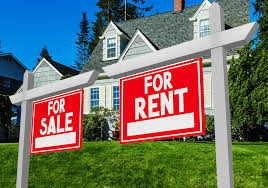
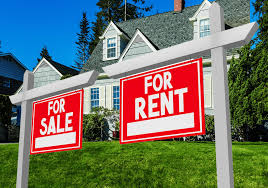
Renting is often the more practical choice for most people in Nigeria right now, but buying (or building) can make strong sense for those with stable high income, cash reserves, and a long-term horizon — especially as an inflation hedge.
I don't have personal preferences or emotions, but I can analyze based on economics, data, and realities in Nigeria as of 2026. The decision heavily depends on your income, savings, location (Lagos/Abuja dominate costs), job stability, family situation, and risk tolerance.
### Key Economic Context in Nigeria
- High inflation (often 20%+ in recent years) and Naira volatility erode savings and drive up construction/rent costs. Property often acts as a hedge.
- Mortgage rates are punishing: Commercial loans typically 20-28%, with government schemes (e.g., NHF) offering 6-10% but limited access and eligibility. Very few Nigerians (<1-5%) have formal mortgages; most purchases are cash or incremental building.
- Housing deficit is massive; demand outstrips supply in cities, pushing prices and rents up.
- Rents are rising fast (30-50%+ in recent years in major cities), often paid 1-2 years upfront, which strains cash flow.
### Rough 2026 Numbers (Lagos/Abuja focus; varies widely by area)
- Rents (2-bedroom apartment): Often ₦1.8M–₦5M+ per year in decent areas; luxury much higher. Nationwide averages lower but still burdensome.
- Property prices (3-bedroom house/flat): ₦85M–₦200M+ in good locations (Lekki, Maitama, etc.); cheaper in outskirts or secondary cities. Building your own can be ₦20M–₦60M+ excluding land.
- Monthly mortgage payments on a typical loan would be extremely high due to rates, making renting cheaper short-term for many.
### Pros & Cons
Renting Pros:
- Lower upfront cost (deposit + 1-2 years' rent vs. massive down payment or full cash).
- Flexibility to move for jobs, family, or better areas.
- Landlord handles major maintenance/repairs (in theory).
- Avoids title risks, legal disputes, and illiquidity.
Renting Cons:
- No equity built — money "down the drain."
- Rents keep rising with inflation; annual hikes common.
- Limited control over property; potential disputes with landlords/agents.
- Upfront annual payments tie up capital.
Buying/Building Pros:
- Builds equity and potential wealth through appreciation (strong hedge against inflation and Naira devaluation).
- Stability: No fear of eviction or sudden rent spikes; customize your space.
- Long-term: After paying off (or building incrementally), housing costs drop dramatically.
- Rental income potential if you buy investment property.
- Cultural/status value in Nigeria; generational asset.
Buying/Building Cons:
- Huge upfront capital or high-interest debt.
- Maintenance, infrastructure (power, water, security), and unexpected costs are all on you.
- Major risks: Land title disputes, fraud, government acquisition, bureaucratic delays in registration (C of O, etc.). Only a small % of land has clean titles. Due diligence (lawyers, surveys) is essential and expensive.
- Illiquid: Hard to sell quickly without loss if needed.
- Opportunity cost: Money tied up vs. invested elsewhere (business, stocks, etc.).
### My Analytical "Preference"
- Rent if: You're young, mobile, have irregular/lower income, or unsure about staying 5-10+ years in one place. Use the savings to build capital for future purchase or business.
- Buy/build if: You have substantial savings (or family land), stable high income, plan to stay long-term, and can secure clean title in a growing area. Incremental self-building (buy land, develop in phases) is common and often smarter than mortgages. Property has historically outperformed many alternatives as an inflation hedge here.
Bottom line: In Nigeria's high-inflation, high-interest environment, owning eventually wins for wealth-building if executed carefully. But poor execution (bad title, overpaying, bad location) can ruin you financially. Always prioritize verified titles, professional legal checks, and location with infrastructure growth. Run your personal numbers: Compare total cost of ownership (mortgage/rent + maintenance + taxes + opportunity cost) over 5-10 years.
Nexis Construct
Fully integrated engineering and architectural assets.
Useful Links
Home
Services
Portfolio
About
Shop
Reviews
Find Us
+234 (813) 869-5754
Abuja, NG
© 2026 Nexis Construct-Rigorous detailing. End-to-end execution.
FROM SCHEMATIC TO SITE
leadarchitect@nexisconstruct.com
Address
Plot 858, Adeboye road, Kuchiyako roundabout, kuje, FCT, Abuja Nigeria
Work Hours
Mon-Fri 08:00 - 18:00
OFFICE
+234 (813) 869-5754
Abuja, NG
Mon-Fri 08:00 - 18:00