
low-cost housing design Nigeria
Blog post description.
Architect Elisha Okunwaye
7/1/20262 min read
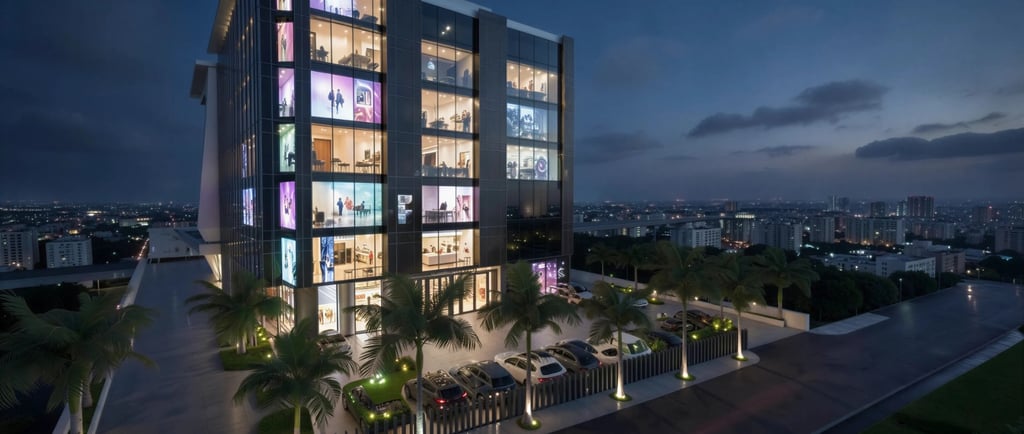
Low-cost housing design in Nigeria focuses on creating affordable, functional, and sustainable homes for low- and middle-income earners. With high construction costs, rapid urbanization, and a massive housing deficit, designs emphasize cost reduction (targeting 30–60% savings vs. conventional methods), use of local materials, climate responsiveness, and scalability (e.g., modular or incremental building).
### Key Principles for Low-Cost Designs
- Simple, Functional Layouts: Compact plans (e.g., 2–3 bedroom bungalows) with efficient space use, good ventilation, and natural lighting to reduce energy needs. Avoid unnecessary complexity.
- Climate-Responsive (Bioclimatic) Design: Orientation for shade and breeze, overhangs, courtyards, and high ceilings for passive cooling in Nigeria’s hot climate.
- Incremental/Self-Build Approach: Start with core structure (e.g., 1–2 rooms) and expand over time as funds allow.
- Modular/Prefab Options: Faster assembly, less waste — examples include light gauge steel (LGS) frames or container-based units.
### Cost-Saving Materials and Technologies
Common strategies that significantly cut costs:
- Interlocking Stabilized Soil Bricks (ISSB) or Compressed Earth Blocks (CEB): Made from local soil + minimal cement. Reduces mortar use and transportation costs; good thermal mass.
- Rat-Trap Bond Brickwork: Creates air gaps for better insulation; less material and no external plastering needed.
- Filler Slab Roofing: Uses lightweight fillers (e.g., pots or recycled materials) to reduce concrete volume.
- Local/Alternative Materials: Bamboo, timber (sustainably sourced), laterite, recycled plastics, or fibre cement boards. Avoid imported or energy-intensive materials like excessive steel/concrete.
- Dry Construction/Modular Systems: Prefab panels or LGS for speed (e.g., 50-unit estates delivered in weeks).
- Foundations: Strip or raft foundations optimized for soil type; sometimes stabilized soil.
Estimated Costs (2025–2026): A basic 2–3 bedroom low-cost bungalow can target ₦10–20 million (depending on location, finishes, and land). Full projects aim for under ₦15–25 million with careful planning. Costs vary by region (cheaper outside Lagos/Abuja).
### Example Designs
- Simple 2–3 Bedroom Bungalow: ~80–120 sqm, open-plan living/kitchen, veranda for outdoor space, detached or semi-detached for estates.
- Row/Terrace Housing: Shared walls reduce costs; ideal for mass housing.
- Duplex or Multi-Unit: For slightly higher budgets or family compounds.
- Professional firms (e.g., via NIA members) offer tailored plans balancing affordability and modern needs.
### Government and Industry Initiatives
- Federal Ministry of Housing and Urban Development: National Housing Programme, Renewed Hope Agenda, and building material manufacturing hubs. Collaboration with NIA for local-content designs.
- NIA (Nigerian Institute of Architects): Promotes low-cost solutions using indigenous materials and sustainable practices.
- Private/International Examples: Modular projects (e.g., Karmod-style prefab estates), NGO/community-led models, and research on timber modular or green housing.
### Practical Tips for Implementation
- Engage a registered architect (ARCON/NIA) early for compliant designs and approvals.
- Conduct soil tests and site analysis to optimize foundations.
- Source materials locally and use skilled labor for alternative techniques.
- Factor in infrastructure (water, sanitation, roads) and secure land title.
- Explore financing: FMBN mortgages, developer schemes, or incremental self-build.
- Sustainability: Incorporate rainwater harvesting, solar, and waste recycling for long-term savings.
Low-cost does not mean poor quality — focus on durability, safety, and cultural relevance (e.g., family spaces, outdoor areas). For ready plans or consultations, check NIA resources, architecture firms, or platforms sharing Nigerian house plans. Always verify current material prices and regulations, as inflation affects costs. If you have specifics (e.g., budget, location, or number of bedrooms), I can refine suggestions further!
Nexis Construct
Fully integrated engineering and architectural assets.
Useful Links
Home
Services
Portfolio
About
Shop
Reviews
Find Us
+234 (813) 869-5754
Abuja, NG
© 2026 Nexis Construct-Rigorous detailing. End-to-end execution.
FROM SCHEMATIC TO SITE
leadarchitect@nexisconstruct.com
Address
Plot 858, Adeboye road, Kuchiyako roundabout, kuje, FCT, Abuja Nigeria
Work Hours
Mon-Fri 08:00 - 18:00
OFFICE
+234 (813) 869-5754
Abuja, NG
Mon-Fri 08:00 - 18:00