
The Rise of African Architecture
The Rise of African Architecture: Tradition, Innovation, and a Continent in Bloom
Architect Elisha Okunwaye
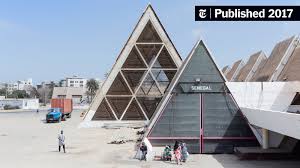
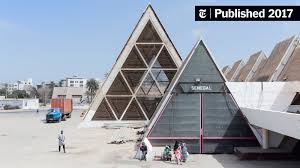
### Pioneering Voices Shaping Africa’s Architectural Future
Several architects have gained international acclaim for their groundbreaking work:
- Diébédo Francis Kéré (Burkina Faso/Germany): The first African to win the Pritzker Prize (2022). Kéré’s designs, starting with the Gando Primary School, emphasize community participation, local materials (like clay bricks and thatch), and natural ventilation. His work proves that beautiful, durable, low-cost buildings can transform education and daily life in rural Africa.
- Sir David Adjaye (Ghanaian-British): Known for culturally resonant projects like the Smithsonian National Museum of African American History and Culture in Washington, D.C., and numerous projects across Africa. Adjaye’s practice fuses artistic sensibility with deep respect for place and community.
- Kunlé Adeyemi (Nigeria): Founder of NLÉ, celebrated for floating structures like the Makoko Floating School in Lagos, which addresses flooding and informal settlements with innovative, adaptable designs.
Other notable figures include Mariam Issoufou Kamara (Niger), whose Atelier Masōmī focuses on dignified community spaces, and a growing cohort of talented women architects across the continent championing sustainability and heritage conservation.
### Key Trends in Contemporary African Architecture
1. Sustainability and Local Materials: Earth architecture, bioclimatic design, and passive cooling are resurging. Architects avoid energy-intensive imports in favor of rammed earth, laterite, bamboo, and recycled materials.
2. Community-Centered Design: Many projects involve locals in the building process, ensuring cultural relevance and skill transfer.
3. Urban Innovation: With Africa urbanizing faster than any other continent, architects tackle housing shortages, informal settlements, and resilient infrastructure in cities like Lagos, Nairobi, Johannesburg, and Addis Ababa.
4. Blending Old and New: Modern interpretations of traditional forms — such as courtyards, shaded spaces, and fractal patterns — combined with parametric design and green technologies.
### Challenges on the Horizon
Architects in Africa face significant hurdles: limited access to advanced materials and technology in many regions, rapid unplanned urbanization, climate vulnerability, and gaps in architectural education. Many schools still follow outdated curricula heavily influenced by Western models, making it harder for graduates to address uniquely African contexts.
Political and economic instability in some areas, along with funding constraints, further complicate large-scale projects.
### A Bright Future
Despite these challenges, the momentum is undeniable. Initiatives like the upcoming Pan-African Architecture Biennale, growing South-South collaborations, and international recognition are elevating African voices on the global stage. Young practices in West Africa, East Africa, and beyond are experimenting with everything from adaptive reuse to climate-resilient designs.
African architecture today embodies resilience, creativity, and hope. It’s not just about erecting buildings — it’s about shaping futures that honor the past while embracing progress.
---
What are your thoughts? Have you visited any standout architectural projects in Africa, or do you have a favorite architect from the continent? Share in the comments!
This post is for educational and inspirational purposes. Images and deeper project details can be explored via the architects’ official websites and platforms like ArchDaily.
The Rise of African Architecture: Tradition, Innovation, and a Continent in Bloom
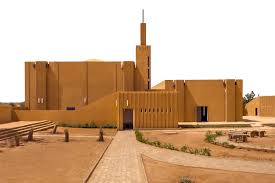
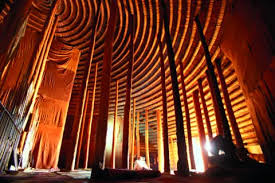
Africa is a continent of extraordinary architectural diversity. From ancient mud-brick mosques and fractal-patterned villages to sleek contemporary skyscrapers and sustainable community buildings, African architecture reflects deep cultural roots while boldly addressing modern realities. Today, a new generation of architects is redefining the field — blending local materials, traditional wisdom, and cutting-edge sustainability to create structures that are not just buildings, but catalysts for social and environmental change.
### A Rich Heritage Meets Modern Realities
Traditional African architecture has long been resourceful and climate-responsive. Think of the Great Mosque of Djenné in Mali (the largest mud-brick building in the world), the rock-hewn churches of Lalibela in Ethiopia, or the vernacular homes of the Dogon people. These structures used locally available materials like earth, thatch, and stone, demonstrating sophisticated understanding of passive cooling, community needs, and environmental harmony.
Colonial-era influences introduced Western styles, but post-independence and especially in the 21st century, African architects have reclaimed agency. Contemporary designs increasingly reject imported solutions in favor of context-specific, sustainable approaches that tackle rapid urbanization, climate challenges, and resource constraints.
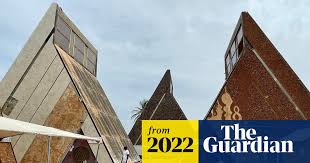
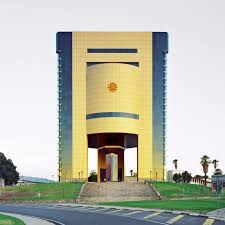
Nexis Construct
Fully integrated engineering and architectural assets.
Useful Links
Home
Services
Portfolio
About
Shop
Reviews
Find Us
+234 (813) 869-5754
Abuja, NG
© 2026 Nexis Construct-Rigorous detailing. End-to-end execution.
FROM SCHEMATIC TO SITE
leadarchitect@nexisconstruct.com
Address
Plot 858, Adeboye road, Kuchiyako roundabout, kuje, FCT, Abuja Nigeria
Work Hours
Mon-Fri 08:00 - 18:00
OFFICE
+234 (813) 869-5754
Abuja, NG
Mon-Fri 08:00 - 18:00